Showing posts with label Travel. Show all posts

Thursday, March 23, 2006

Is it still winter...?

I can't believe how cold it has been recently. While I was in Vienna on my last trip, returning on March 17, there were a few days when it snowed! Even in the last week I was there, the high temperatures were generally around 1-2C (low 30s F), just barely above freezing.

Then when I do get back to Dallas, which had extremely warm temperatures while I was away (even as high as 34C/93F), except for one day, the highest temperature so far on days I've been back has been around 13-14C (57F). Even now, the temperature is about 5C (42F) in the early afternoon with the average high this time of year should be around 21C (70F)!

Ugh! This doesn't really help my motiviation for exercising.

Thursday, March 16, 2006

Voltage, schmoltage...


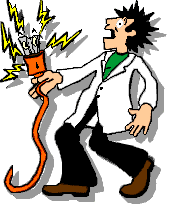
Argh! For the second time, I have ruined my electric razor by plugging it in to recharge but forgetting to switch it to 240V... You would have thought that I would have learned after the first time..

Saturday, February 11, 2006

Cold, you think?


When I arrived in Vienna on this trip, the highs were in the lower 20s (approximately -6C) with the wind chill must colder. However, it was warm compared to the previous couple of days where the highs did not get out of the single digits!

The Danube was actually frozen over. Well, the hotel is on the Danube and on half the side closest to the hotel, it was frozen over. It looked like the river on the other side was still flowing.

If only I had my camera! I did have my phone which has a camera, but it is quite an old phone and the resolution is not that good. In fact, you have to e-mail pics which are saved on the camera. Ugh! See! I do need a new phone!

On the last couple of days, there was a heat wave... with the highs getting above freezing! And I forgot to bring my swim suit!

All's well that ends well?

Friday was not such a good travel day, but it could have been worse. I normally have to wake up around 4:30 am, so I can leave the hotel around 5:20 am to get to the airport in time for a 7:00 am flight. I actually woke up a few minutes before 4:30 am, and I was trying to think should I try to get a few more minutes or sleep or should I just wake up. I ended up falling asleep, but then I woke up one minute before the alarm clock was supposed to go off... But then I noticed I had not turned the alarm clock on!!! Needless to say, it would have been terrible if I had overslept. I either set the alarm time but forgot to turn the alarm on, or when I previously woke up, I turned the alarm off... Anyway, then my reserved transportation to the airport did not show up... The front desk then called a taxi for me... The taxi then arrived but just as he was pulling out, he was saying there is a 10 euro surcharge for taking me to the airport... What..??? So I had him take me back, and we talked it over with the front desk, and the front desk also agreed this was BS, so they called for another taxi. I then got another taxi, and I ASSUMED he wouldn't be charging me the 10 euro surcharge, but when I got to the airport, he asked for 10 euro more than the meter. Sigh. This guy also took me the long way to the airport, heading into the city instead of taking the most direct route. However, as it turned out, it was not significantly different, and he didn't speak English that well anyway. I asked for his business card but he said he had none. Hmmm...

Even though I didn't get to the airport as early as I wanted, fortunately, there was not a long line at the Swiss counter, so I was able to check-in quickly. In the end, all's well that ends well, but the problem was the transportation was mainly because the transportation desk at the hotel did not set up the transportation properly for me, so I'm sure I'll be giving some feedback to the hotel.

Update: February 28. I finally wrote to the Hilton Vienna Danube to complain about the fact that I did reserve airport transportation and noone showed up. We'll see if they respond.

I must not be having much luck in traveling these days. On my trip to Vienna on February 28, I noticed I was in row 39. I hate being in the back. When I checked in, I told him I know I want to change my seats to something as close to the front as possible. Apparently, he thought I was joking because he did not do anything. When I did ask him again, he basically said that I should check at the gate. Ugh. OK, so I go to the lounge and ask if they can move me closer, and she was able to get me to row 20. At least that is 19 rows better... Anyway, when in Zurich, at the airport lounge there, she noticed they lifted the wrong ticket at Dallas. Instead of lifting the Dallas to Zurich ticket, they lifted the Zurich to Vienna ticket. So now, I did not have a ticket to Vienna anymore. Actually, I was fortunate she noticed because if it would have been discovered at the gate.. Or worse yet, if they would have continued to lift the wrong ticket on the next portion and then discover on my trip back to Dallas that I had no ticket, it would have been a confusing mess. Anyway, this was all caused by the first guy who stapled the boarding pass to the wrong ticket. I think I'll avoid him in the future...

Wednesday, January 25, 2006

Do I look like I need a job?


An interesting thing happened on my way back to Dallas from Ft. Lauderdale.

While at the airport, I thought I would get something to drink from the restaurant/cafeteria. I got a bottle of coke and went to the cashier. Someone else went to the counter about the same instance to buy some coffee. She looked at me and asked me if I was going to Chicago. I told her that I am from Illinois but I am going to Dallas. Then she either asked "Would you like a job?" or "Are you looking for a job?" I think it was the former rather than the latter, but I don't remember exactly. And then she added "We're hiring." I am not really looking for a job, but it's always good to have opportunities available. Anyway, I gave her my number, and she said she would call. (She hasn't yet.) But I don't even know what kind of job it is for... Perhaps she works for a clown agency and they are looking for clowns...? Actually, she dressed very sharply. In fact, she reminded me of Eva Mendes. Maybe it was Eva Mendes and they are looking for new actors! I heard short actors are needed! That is, they are in short supply... Or was that in short demand? Too bad Eva is not as cute as Kyokorin, though!

And speaking of brushes with celebrities... On the flight back from Zurich to Dallas on December 22, I was fortunate enough to be able to get an upgrade to business class. On the flight, I didn't talk much to the guy next to me on the flight, but when we were landing, then we started to talk a little bit. He asked me if I got a look at the guy two rows up... He said that he thought he looked like Jack Nicholson. Since we were landing, I couldn't get up from my seat, but when we arrived at the gate, the guy was wearing black and wearing a black knit cap. He turned around when he got up from his seat and I must say, he looked a bit like Jack Nicholson. He looked a bit older, but on the other hand, don't we all... Anyway, when we deplaned, he was able to get off the plane before me, but while walking to immigration, I took the stairs up which is actually faster than the escalators when you take two steps at a time, so I was able to get near the front of the crowd which deplaned. However, I saw no sign of our Jack look-a-like. When we got to immigration, I did not see any sign of him. And in baggage claim as well, I did not see him. I then ran into the guy who was next to me on the plane, and he said he noticed they wheeled him off in a wheelchair. On the plane, he did not look like a guy who would need a wheelchair. Anyway, seems pretty suspicious to me. If only I had my camera with me... See! I need a new phone which has a camera on it. (Well, actually I already do, but I need a better one!)

Thursday, December 29, 2005

From USA Today: Top meals for 2005

From USA Today: http://www.usatoday.com/travel/destinations/2005-12-22-travel-review-food_x.htm

Belly-up to the table for the finest fare around the world
In a decade of writing about food and wine, I've never encountered as many eye-opening, belly befuddling dining experiences as I did in 2005.

This summer, USA TODAY launched the "Down-home Dining" project, which has taken me to nearly 70 classic pizza joints, ice cream parlors, barbecue and fish shacks, cafes, buffets, hot dog and hamburger stands and pancake houses. I'm ecstatic to report that there is an abundance of dirt-cheap, high-quality humble fare out there that reflects the quirks and traditions of each region.

25 TOP DISHES

In the midst of that research, I also visited half a dozen fine-dining restaurants where chefs with a cerebral bent are practicing avant-garde cooking. n And along the way were trips to Italy and Asia, where both the high-end fare and street foods were nothing short of astonishing; to pre- and post-Katrina New Orleans, where the hedonistic spirit is as potent as ever; and nights on the town at home in New York.

Out of that mix emerged memorable experiences I'm happy to distill into my annual awards for the meals and dishes of the year.

Top down-home dining spot: Loveless Motel & Café, Nashville

A group of local investors saved this 1951 landmark from extinction in 2003 and has breathed new life into a menu that features Southern classics such as fried chicken, country ham, hefty breakfasts and perhaps the country's finest biscuits and fruit preserves. (Related story: Biscuits rise to Olympian heights in Tennessee)

Runner-up: Marguerite's, Westport, Mass.

Top casual lunch spot: Shake Shack, New York

Renowned restaurateur Danny Meyer re-created the take-away eatery of his childhood dreams in the heart of Manhattan two years ago, and New York foodies have proved willing to stand in lengthy lines for outstanding burgers, Chicago-style hot dogs, frozen custard and thoughtfully chosen wines by the glass.

Runner-up: Arnold's Country Kitchen, Nashville

Top breakfast spot: Otis Café, Otis Junction, Ore.

The kitchen in this super-cozy roadside diner southwest of Portland makes nearly all of the dishes from scratch, including four types of bread, softball-size cinnamon rolls, a half-dozen varieties of pie and the famous German potatoes (onion-laced hash browns that are fried, then baked, then topped with white cheddar cheese). (Related story: Big taste resides in a little corner of Oregon)

Runner-up: Pancake Pantry, Nashville

Meal of the year — foreign: Cho Binh Tay Market, Ho Chi Minh City

The stalls in this bustling Chinese market are bulging with hundreds of exotic foodstuffs, and many of those wind up in the vast array of dishes served at the simple lunch counters in the rear. We squatted on stools, pointed to about eight or nine dishes and ate our fill of such standouts as duck rolls, pork meatballs, pea shoots and mushroom in chicken broth, and several types of unusual fish (and fish parts).

Other notable meals: La Griglia, Argegno, Italy; Ristorante Le Torri, Castiglione Falleto, Italy; Erawan Tea Room, Bangkok; Luck Yu Tea House, Hong Kong

Meals of the year — domestic: Alinea, Chicago, and MiniBar, Washington, D.C.

Of the six restaurants I visited for coverage of experimental dining, these two stood out. The approaches of Alinea's Grant Achatz and MiniBar's Jose Andres are worlds apart, yet both chefs offered food that was challenging, whimsical, stylish and usually (but not always) exceptionally tasty. (Related items: In search of extreme cuisine | Interactive graphic)

Other notable meals: Zuni Café, San Francisco; Daniel, New York; Casa Mono, New York; Nobu 57, New York; all of the meals at a dozen restaurants in New Orleans

From GuideLive: Best new restaurants in Dallas

From GuideLive: http://www.guidelive.com/feature/328/

Unconventional wisdom
The top new restaurants of 2005 break rules or defy stereotypes

By Dotty Griffith / The Dallas Morning News

Which words best describe the area restaurant scene circa 2005?
A. Mexican renaissance
B. Italian power play
C. American homogeneity
D. Asian nonconformity
E. All of the above
F. None of the above

Answer: E or F.

If that sounds contradictory, it is because the restaurant year itself felt oxymoronic.

Start with Lanny Lancarte II's "high Mexican kitchen." Who'd ever have thought the year's best new restaurant would serve gourmet Mexican food in Fort Worth? Or that No. 2 would be in suburban Colleyville?

Practically every restaurant on the list breaks rules or defies stereotypes (including No. 10, a three-way tie).

One thing that hasn't changed: All the restaurants mentioned here were reviewed since Jan. 1.


Lanny's
Jason Janik / Special to DMN
Chef Lanny Lancarte II, of the Joe T. Garcia's restaurant family, opened his own place in 2005.

1. Lanny's Alta Cocina Mexicana
3405 W. Seventh St. (at Boland), Fort Worth; 817-850-9996

Lanny Lancarte II, of Fort Worth's famed Joe T. Garcia's Tex-Mex restaurant family, opened his "high Mexican kitchen" midyear. On his first solo venture this 30-year-old chef-entrepreneur crafted a remarkably mature restaurant. Everything is first-class but casual. The cuisine from this classically trained chef takes south-of-the-border flavors to new heights with sophisticated techniques and mastery of the elements of taste. Wines are carefully selected and well-presented. He plans to begin serving lunch early in 2006.

62 Main
Chris Hamilton / Special to DMN
Wild striped bass at 62 Main

2. 62 Main Restaurant
62 Main St., Suite 200, Colleyville; 817-605-0858

David McMillan's California wine-country bistro elevates the restaurant scene in the Northeast Tarrant County suburb of Colleyville. The subtleties of his decor, menu and wine list are as refined, but considerably more casual, than the virtuoso dishes that earned the chef a following during his years at Nana in the Wyndham Anatole hotel. He uses a brick oven for roasting, burning a "wood of the day." The wine service and list are excellent.


Go Fish
Darnell Renee / Special to DMN
Pan-roasted fillet of sea bass at Go Fish

3. Go Fish
4950 Beltline Road, Addison; 972-980-1919

Seafood, particularly finfish of all kinds, is Chris Svalesen's forte, and he's in fine form at his newest restaurant. This chef has had his ups and downs in a tough business. A lounge and bar scene no doubt provides some cushion for his relatively small restaurant along Addison's teeming dining strip. This is a place to get good basic seafood as well as the kind of innovative dishes that made chef Svalesen famous in previous endeavors. The wine selection offers some good values.


Hibiscus
Darnell Renee / Special to DMN
Chef Nick Badovinus at Hibiscus

4. Hibiscus
2927 N. Henderson Ave., Dallas; 214-827-2927

Part steakhouse, part chef-driven restaurant, this highly anticipated location by the dynamic duo of businessman Tristan Simon and chef Nick Badovinus has been hot since it opened. The cocktails are well-chilled and the atmosphere is sexy. Some dishes are knockouts, others are similar to what can be found on any menu featuring thick cuts of heavy beef. Still, this restaurant has made the already-sizzling North Henderson corridor in East Dallas even hotter and more congested on busy evenings.

Asian Mint
Courtney Perry / Special to DMN
Desserts such as green tea ice cream with sticky rice are a highlight at Asian Mint.

5. Asian Mint
11617 N. Central Expressway (southwest corner of Forest and Central), Dallas; 214-363-6655

What a pleasant surprise this small fusion restaurant turned out to be, starting with nontraditional desserts such as green tea ice cream cake and coconut ice cream on sticky rice. Part dessert-coffee bar and part Asian restaurant, this North Dallas gem is a find that has caught on and keeps a steady following. The menu is heavily Thai, with lovely soup specials that make it a standout in a crowded genre. All that makes it a good choice for lunch, dinner or just dessert.

Tutto
Courtney Perry / Special to DMN
Roasted chicken breast with fettuccine, walnuts and basil

6. Tutto
2719 McKinney Ave., Dallas; 214-220-0022

Luxe ingredients used in unusual ways mark the fare at chef Joseph Gutierriz's newest venture, where he cooks Italian with a Spanish accent. Dishes are complex, and the decor is dramatic. The wine list is international with selections from Italy, California, Spain and South America. The name means "everything," and the restaurant offers such dining surprises as black truffle ice cream.


Nobu
Darnell Renee / Special to DMN
Tiradito Nobu Style features Japanese snapper.

7. Nobu
400 Crescent Court (in the Hotel Crescent Court, Maple at Cedar Springs), Dallas; 214-252-7000

Dallas wasn't in the first tier of cities to get a clone of the 1994 New York original. But we're glad to have it nonetheless. Famed Los Angeles-based chef Nobu Matsuhisa spearheaded much of what is called Asian fusion today with his South American-Japanese interpretations. The sushi bar provides a particularly memorable experience, as does the omakase, or chef's tasting menu. Be prepared to spend a bundle and enjoy doing it while the sushi chefs explain what's freshest on the menu.

Cafe San Miguel
Darnell Renee / Special to DMN
Chiles poblanos at Cafe San Miguel

8. Cafe San Miguel
1907 N. Henderson Ave. (at McMillan), Dallas; 214-370-9815

Earthy dishes reflect the regional flavors of the Mexican city for which the restaurant is named. The menu also suggests chef Fernando Marrufo's native Yucatán. Fine tastes begin with a trio of salsas and continue with authentic Mexican cocktails and beers. The menu skews toward Tex-Mex at lunch, with traditional fish, game birds and steaks at night. Decor is bright and casual, and the restaurant houses one of the city's more imaginative ladies' rooms.

Fuse
Courtney Perry / Special to DMN
The upstairs bar at Fuse restaurant in the Dallas Power & Light building

9. Fuse
1512 Commerce St., Dallas; 214-742-3873

In the historic Dallas Power & Light building (now a residential-retail complex), this spare restaurant has lit up downtown since last summer's opening, when the water garden patio immediately became a Dallas landmark for the hip-and-happening set. Chef Blaine Staniford's Tex-Asian cuisine hits its target most of the time, impressive but not too contrived.


10. Three-way tie

• Daniele Osteria
3300 Oak Lawn (at Hall), Dallas; 214-443-9420

From Palermo, chef Daniele Puleo prepares a mostly Sicilian menu at his Oak Lawn restaurant, where fresh pastas and caponata are superb. Mr. Puleo's intensely personal and personality-driven restaurant offers some unusual dishes in a city where northern Italian cooking has long dominated.

Salum
Chris Hamilton / Special to DMN
Chef Abraham Salum mans the kitchen at his self-titled restaurant.

• Salum
4152 Cole Ave, No. 103, Dallas; 214-252-9604

Abraham Salum's sleek, clean and understated restaurant offers a cleverly crafted wine list and a menu with attention to detail that characterizes chef-owned and -operated locations. Mr. Salum is confident enough to color outside the lines on occasion. The result is a restaurant that is fashionable without being cloying.

• Nicola's Ristorante
5800 Legacy Drive (in the Shops at Legacy), Plano; 972-608-4455

Relocated from the Galleria Dallas to new, much larger digs and with an additional chef, Nicola's reaches out with special ingredients such as mozzarella burrata (imported leaf-wrapped buffalo mozzarella), so fresh it can be imported only during cold winter months. Ingredients like that, and the addition of Sascia Marchesi to the chef lineup alongside veteran Vincenzo Indelicato, make Nicola's worthy of notice.

Monday, October 17, 2005

Some tips for a trip to Japan (Tokyo)

Here are some suggestions of places to see in Tokyo:

  • Akihabara

    Akihabara is the famous electronics district in Japan. However, these days, it is often cheaper to buy things in the US, even for Japanese products, but it is still interesting to go and see. Some products are not available in the US and often you will see products available in Japan earlier than in the US. Stores will often close by 8 pm, so even though Tokyo seems to be open 24x7, not so in Akihabara.

    http://www.japan-guide.com/e/e3003.html

  • Asakusa

    There is a famous temple in Asakusa called Sensoji temple. The gate in front of the temple is just as famous. Upon walking past the gate on the way to the shrine, there are many little shops which sell traditional Japanese items. However, as one Japanese person told me, one should go to the temple to pray first.

    http://www.japan-guide.com/e/e3001.html

  • Odaiba

    Attractions in Odaiba include several shopping and entertainment centers, theme parks, museums and the futuristic architecture and city planning. We saw Asimo (Honda's robot) at the National Museum of Emerging Science and Innovation.

    http://www.japan-guide.com/e/e3008.html

  • Shibuya

    Shibuya is a good place for people watching. There is one intersection where you will see wall-to-wall people crossing in all different directions. Sometimes there are bands playing there as well.

    http://www.japan-guide.com/e/e3007.html

  • Harajuku

    Harajuku is also a good place for people watching. There is one street (alley) which has quite a few stores there. To try to generalize the type of people you may see in Harajuku, this is where you would see teenagers dressed like punks (like punk rockers) or hippies.

    http://www.japan-guide.com/e/e3006.html

  • Shinjuku

    Shinjuku is one of the business districts in Tokyo. Some of the Tokyo metropolitan government office buildings are there. The main attraction here are the 50-story skyscrapers.

    http://www.japan-guide.com/e/e3011.html

  • Ameyoko

    Ameyoko is an alley where you'll see some discount bargaining. This is interesting just to see the atmosphere, as I don't think too many tourists will be doing grocery shopping in Tokyo. However, there are many other things to buy than groceries. This is also a good place for inexpensive sushi or dishes with raw fish over rice.

    http://www.japan-guide.com/e/e3012.html

Sunday, October 16, 2005

Some tips for a trip to Japan (Kyoto)

Here are some suggestions of places to see in Tokyo:

  • Kinkakuji

    Kinkakuji is the famous golden temple in Kyoto.

    http://www.japan-guide.com/e/e3908.html

  • Ginkakuji

    Ginkakuji is known as the Silver Pavillion... but guess what? It's not covered in silver. Go figure!

    http://www.japan-guide.com/e/e3907.html

  • Kiyomizudera

    Kiyomizudera is one of my favorite temples. It is famous for its large terrace. It is quite a walk up to the temple, but there are a lot of traditional looking shops along the way. There is one courtyard where if you can walk from one large stone to the other without looking, then that means you will find true love. Unfortunately, I was never able to successfully do it. Hmmmm... Anyway, it's probably easy to find that courtyard, just look for the people walking around with their eyes closed. Be sure not to walk too far or you'll walk off the terrace and plummet to sure death. This has been known to discourage some people from trying it. There is also three waterfalls where you can drink from. Drinking water from each waterfall is supposed health, longevity, and success in studies. Guess which one I didn't drink from???

    http://www.japan-guide.com/e/e3901.html
    http://en.wikipedia.org/wiki/Kiyomizu-dera

  • Heian Shrine

    Heian Shrine is unique for its use of bright red colors.

    http://www.japan-guide.com/e/e3904.html

  • Ryoanji

    Ryoanji is a template famous for its rock garden.

    http://www.japan-guide.com/e/e3909.html

  • Arashiyama

    Arashiyama is a pleasant area outside of Kyoto, perhaps most famous for its bridge.

    http://www.japan-guide.com/e/e3912.html

  • Nijo Castle

    I am not much of a castle person, but this is a famous castle in Kyoto. Nijo Castle (Nijojo) was built by Tokugawa Ieyasu, founder of the Edo Shogunate, as the Kyoto residence for himself and his successors.
    http://www.japan-guide.com/e/e3918.html

There are many templates around Kyoto, which is why Kyoto is such an interesting place. However, Kyoto is also a very crowded city, like many other Japanese cities. Trying to get around the city can be very slow, especially if you are stuck in traffic. At any rate, the above is only a sample. Refer to the link below for more site-seeing spots in Kyoto.

http://www.japan-guide.com/e/e2158.html

Friday, September 23, 2005

Different perspective

They seem to have a different perspective in Europe on what is acceptable in public than in the US. This is used as advertisement while they are doing some renovation. Notice the bunnies in the background?


Saturday, September 03, 2005

Japanese Etiquette

OK, now that we've talked about what to take to Japan, there are some important aspects of Japanese culture to keep in mind:

  • Cultures are different in Asia
  • Separation of clean and dirty space
  • Showing respect
  • Building relationships
  • Food etiquette

Cultures are different in Asia

It may seem obvious to some, but cultures are different in Asia. Even though the Japanese language borrows Chinese characters for writing, the languages are quite different, cultures are quite different, and food is quite different. Some (both Japanese and Chinese) may find it rather offensive to confuse Japanese and Chinese cultures.

Here are some hints: Egg rolls are Chinese, not Japanese. It would be helpful to know the difference between a Japanese restaurant and a Chinese restaurant. You wouldn't want to tell your Japanese host that there is a Japanese restaurant you like back home and they have great egg rolls. It is also helpful to keep in mind that a Japanese restaurant may actually not be owned and operated by a Japanese person. For example, do you expect that all Italian restaurants are owned and operated by Italians? And all chefs at pizza shops are from Sicily? So if in fact the restaurant is not owned by a Japanese person, it may be that the chefs are also not from Japan and that the menu is not authentically Japanese. If you see kim chee salad on the menu, it could be a good sign that it is not a completely authentic Japanese restaurant. (Kim chee is extremely spicy pickled vegetables from Korea.) This also isn't to say that you wouldn't find kim chee on the menu in the Japanese restaurant if the owner really likes kim chee.

Separation of clean and dirty space

Many people have heard that shoes are taken off inside a Japanese house and many people know this is to prevent dirty shoes from being worn inside the house, but some may not realize the complete concept of separation of clean and dirty space. As most people know, in a traditional Japanese house, one sits on the floor. While sitting on the floor, one's hands touches the floor, so it would be pretty unsanitary to touch the floor with your hands and then be touching food. OK, one doesn't normally touch food with one's hands, but it was only to illustrate a point. In a Japanese house, when sitting on the floor, one will touch the floor more frequently than you would in a Western-style house. Therefore, rubbing your eyes or some other acts would be much more unsanitary if the floors were dirty.

Since shoes are worn outside, and the outside ground is dirty, then the bottom of shoes become dirty. When one enters a Japanese house, there is actually the entry (genkan) which is at the same level as outside. Then, one steps up inside of the house. The floor of the genkan is still dirty because everyone still wears shoes in this area. One should not being wearing shoes when one steps up inside the house. However, when taking off one's shoes in the genkan, if the soles of your socks touch the genkan floor, your socks have now touched the dirty floor.

Therefore, when taking off your shoes, you want to be able to position yourself so that you can step out of your shoes onto the clean floor. In some cases, I have seen that when it is not possible to make a step onto the floor (perhaps there are too many shoes on the genkan floor for you to get from where you are standing to the clean floor), people sometimes walk with their socks on top of other people's shoes (preferably of shoes already on the genkan floor, not while other people are still wearing them). That is, the top of people's shoes would be considered more clean than the genkan floor with where the bottom of the shoes have been in contact. Of course, in informal situations, some people will step on the genkan floor, so this is not a hard and fast rule.

And just in case you are curious, yes, dog's feet are cleaned after being outside. Of course, this can depend on the owners. And as a side note, at a Japanese airport, if they ask you to take off your shoes at a security checkpoint, they will either give you slippers or have you walk on a type of rug so that you do not have to walk on the floor with your socks. Do I need to mention here that it is a good idea to wear clean socks without any holes, and in particular, socks which do not smell (too much)?

Anyway, now that you have an understanding of clean and dirty, then this also applies to other objects, not just feet. The main example is luggage and bags. That is, if you go through a lot of trouble to make sure the floor is clean, then you would also not want to put dirty objects on the clean floor. If you have a bag which you have put down on the genkan floor (or on a floor outside of the house), then you would not want to put it on the clean floor.

That is why at a hotel check-in counter, many will have a small ledge for placing your carry bags. That is why is public bathrooms, you'll usually see a ledge for bags at the urinals and in the stalls.

While at the immigration check at Narita airport, the lines were rather long of about 50 people per each line. Of the 5 lines I looked at (approximately 250 people), only about 6 had placed their carry bags on the floor. Most were still holding their bags even with long lines. Of course, some people also had bags with wheels and kept their carry bags on top of them, which is often done by all people. In addition, some people may have had very light carry-on bags, so it was not necessary to put on the floor, but there were still many people with brief cases or computer bags, and they kept them off the ground. Conversely, there were probably less than 10% foreigners in these lines, but probably just as many people (approximately 6) had their bags on the floor. This is not a scientific study, but seems to indicate that Japanese tend to try to keep their bags off the floor.

Conversely, if the bag is big enough, then it must be put on the ground at times, so one would not bring it on a clean floor. (Or more accurately, one would clean off the bottom before bringing it inside to a clean floor.) One of the US commercials which shocks Kyoko the most are the hotel commercials where the guest has placed their suitcase onto a bed. The suitcase has been outside, on the same ground where people have been walking with their shoes, the same shoes which they wear wearing in public bathrooms, and then one places the suitcase on the bed?

Showing respect

Showing respect is an important cultural point in Japan. One can see this in the use of language (to be described in more detail later). In Japan, traditionally, respect is given to elders, to educators, etc. Of course, Japan is becoming more Westernized and like the rest of the world, but one can still see differences in the Japanese culture for showing respect.

One aspect of showing respect is to be humble and to not put the other party in a awkward position (unless playing Twister). This also will be covered later in the use of language in more detail (how this aspect relates to the use in language, not on playing Twister).

Another aspect of showing respect is to bow. Bowing itself is a form of showing respect. Therefore, bowing is used in greetings, when showing thanks, when apologizing, among other instances. Bowing is so ingrained as part of Japanese society that out of habit, I have seen people bowing while talking to people on the phone. Bowing is so important that if you do not bow, it is taken as a form of insincerity. For example, if one does not bow when making an apology, it will seem like an insincere apology.

There are generally three forms of bowing: casual, standard, and formal. Casual bowing is perhaps a 5-10 degree movement of the upper body. Standard bowing is about a 30 degree bow. And finally a formal bow is 45 degree bow. This will probably only need to be used in rarest of occasions.

The type of bow and duration of bow depends on how much respect should be shown. The person who should show more respect should have longer and deeper bows. For example, in a business situation, the customer should be given more respect than the supplier/provider of service. Within the same company, a senior person should be given more respect. Therefore, it can be important to know when someone has entered the company to know how long the person has been with the company.

One thing about bowing in Japan: It is NOT customary to put one's hands together in front of you when bowing. The hands are just on the side of the body or perhaps in front, but not with the hands together. The exception to this is when praying. Then one puts the hands together (like one would do in a prayer) and then bows. However, for normal bowing, one does not do this. I do not know about other eastern cultures, but this is not done in Japan.

Building relationships

Before the collapse of the bubble economy in Japan, building relationships was perhaps the most important aspect in business. Therefore, it was very important to try to establish a relationship with the customer, but once you were able to establish the relationship, you would find a loyal customer. These days, in order to compete globally, companies have found that reducing costs has now become an important aspect, so companies in Japan now have to buy from suppliers who can provide the best value for their money.

Building relationships is still an important aspect of every day Japanese life. Unlike Western society (in particular in US), where everyone is your "buddy", it is said that it can be difficult to build close friendships in Japan. [Something goes here, but not sure what.] One way of building relationships is to go drinking after work--sometimes with customers or sometimes with co-workers. It is not uncommon to see drunk Japanese businessmen returning home late at night. Hint: Be careful if the guy next to you on the subway looks like he might throw up.

A trend which seems to becoming popular again is karaoke. Unlike places in the US where you would sing in front of the entire crowd when singing karaoke, the norm in Japan are private rooms you can rent which can fit a handful of friends and co-workers, so you only have to worry about making a fool of yourself in front of people who know you.

Another type of club where Japanese businessmen may go are hostess clubs. My knowledge of hostess clubs are based on a Canadian documentary made around 1999, but these are the types of clubs where you go and a female hostess would sit next to you. The hostesses are trying to get the customer to buy more drinks and buy drinks for them as well. In return, they will engage in conversation and try to make the customer feel important. Some of the more popular clubs may be the ones with Western hostesses. This is not a call girl service, though. Of course, there are clubs which are shadier than others and some hostesses who are shadier than others, but it would be a mistake to assume the same type of services available at a hostess club and a call girl service.

The hostess club seems to be an offshoot of geisha, which is also sometimes mistaken by foreigners as a type of call girl service. The literally translation of geisha is "art" and "person". The geisha actually performs traditional Japanese art (song and dance for example) to customers, while also engaging in conversation and trying to make the customer feel important. The biggest difference then between a hostess club and geisha is then that the geisha is someone who has trained for many years the different Japanese arts and has trained for many years to be a proper geisha, while a hostess could be someone that was selected to work as a hostess just based on her looks. In addition, a difference is that a geisha would be considered "untouchable" while there may be customers who try to get too "friendly" with hostesses. And by the way, yes, there a clubs with male hosts, too, for women who seem to have more money than they know what to do with.

Food etiquette

I may be biased but personally I feel most Japanese food tends to be more healthy than other foods. Tempura and tonkatsu are deep fried, but otherwise, not a lot of oils are used.

One time when there was a dinner with some co-workers from US and co-workers from Japan at a restaurant in Tokyo, the Japanese colleagues were telling the US colleagues that generally you do not have to worry about "proper etiquette" in Japan. That is, there are fewer rules about what is proper etiquette in Japan than in US, so the colleagues from Japan were trying to put the US colleagues at ease about how to eat properly. One guy from the US then poured soy sauce into his bowl of white rice, in which the Japanese colleagues promptly dropped their jaws to the floor.

Therefore, one important rule is that white rice should not be "spoiled". Japanese people would not pour soy sauce (shoyu) into their white rice or do anything else which prevents the rice from being pure. I am not sure if it is a philosophical viewpoint about keeping white rice "pure". Therefore are some logical aspects as well. The use of rice can be used to help offset some of the salt which is used in cooking, and therefore, cannot offset the other foods saltiness if it has soy sauce in it.

When eating rice, it is proper etiquette to lift your rice bowl while you are eating. However, you should not "scoop" food into your mouth using the chopsticks. You should still properly pick up the food to put it into your mouth.

In nicer restaurants, you will find that there is a place to put your chopsticks. This is called hashioki (hashi = chopsticks, oki = to place) and often this is a small piece of porcelain. You will notice that it is placed in such a way that you rest your chopsticks horizontally in front of you. In Chinese restaurants, the way to place chopsticks is vertically (that is, the tip of the chopstick is placed pointing away from you). Therefore, in Japanese restaurants, you should remember to place the chopsticks horizontally when using a hashioki.

And typically, you should not "stab" food with your chopstick, even though that may seem easier in some cases. And finally, you should not leave your chopsticks sticking in your bowl of rice. This is a type of placement which is used when offering rice to dead spirits, so is most appropriate in cemetaries but not restaurants.

Pouring drinks for others

The word for cheers in Japan is kanpai.

In Japan, it is proper etiquette to pour drinks (especially alcoholic beverages) for other people. This even applies to beer since it is typical to drink beer from glasses instead of from bottles or cans. Therefore, it would be a major faux pas to allow someone to have an empty glass in front of them which then requires them to pour their own drink. Therefore, it is best to fill up their glass before it becomes empty.

When someone is pouring your drink for you, then it is proper etiquette to hold the glass up while they pour. Perhaps this shows appreciation for the person pouring the drink for you, and so it would seem like a lack of appreciation if you just let them fill your glass while it is sitting on the table.

Sometimes when someone is filling a glass, the person whose glass it is will quickly finish off the contents to allow the other person to pour into an empty glass. Therefore, it would seem proper to first indicate you are going to pour into someone's glass by holding the bottle in position to pour the drink which would allow the other person to pick up the glass and possibly finish off the contents before you start pouring.

And finally, since someone is always filling your glass, you may end up consuming quite a bit of alcohol. Therefore, the way to indicate you are finished drinking is to leave your glass full so that noone can offer to pour more.

Drinking soup

In Japan, you "drink" soup. That is, you are not given a spoon for consuming soup. You should lift the bowl with one hand and drink the soup. Since the bowl may be hot, you would want to lift the bowl with support on the bottom of the bowl, where the bottom of the bowl actually also provides an insulation from the soup itself. There may be clams, seaweed, or other items in the soup, you would then have your chopsticks ready in your other hand to consume those parts of the soup. In case of many soups, like miso soup, the soup contents may have settled, you would stir the contents of the soup with your chopsticks first. Since many Japanese chopsticks are traditionally made of wood, this helps moisten the chopsticks. Rice does not stick to moist chopsticks as it would to dry chopsticks, so this would help prevent single grains of rice from sticking onto your chopsticks while eating.

By the way, normally the way Japanese soup is served in a restaurant is with a lid over the bowl. You may find it is difficult to take the lid off of the bowl. The "trick" is while the bowl remains on the table, place one hand near the upper edge of the bowl with the thumb on one end and your other fingers on the other end. Then slightly squeeze the upper edge of the bowl while you remove the lid with your other hand.

Of course, if you are in a Western-style restaurant, soups are served as you would expect in the West with a spoon. This may also be true for Chinese restaurants as well.

Slurping noodles

In Japan, noodles (in soup) are served very hot. Therefore, it is considered appropriate etiquette to "slurp" noodles as you are eating them. (Same may be true for drinking hot soups as well.) In theory, this allows you to be sucking the noodles into your mouth while also bringing in air as well. The air will help cool off the noodles so that the noodles are not too hot in your mouth.

Anyway, as one guy told me, in Japan, people pour your drinks for you and you can slurp your food--is this Heaven or what?

Travels to Japan

I thought it would be good to capture my travels in a blog and to put knowledge down in written form to share with others. Shouldn't take long. Hey! Who said that? At any rate, I should emphasize that these observations are based on my experiences and the opinions expressed here only reflect my own. Others may disagree with my observations and anyway, as one knows, it is difficult to make generalizations which are true in all cases. Your personal mileage may vary. The following is subject to change while I verify some observations with Kyoko.

Essentials for taking to Japan:

  • Handkerchief
  • Pocket tissues
  • Business cards
  • Cash

If I think of others, I will add them to the list.

Handkerchiefs:

In Japan, traditionally, bathrooms do not have hand towels or electric hand dryers. It is expected that Japanese people carry their own handkerchiefs for drying their hands. This is slowly changing, and more and more places are providing the means for drying your hands. Some places have high powered electric hand dryers. Unlike the ones you may see around the states where anyway you have to wipe your hands on your pants, the dryers really work. These could blow your socks off, if you're the type to put socks on your hands, that is. Anyway, even at the office at work, you have to have your own handkerchief. If you carry around a briefcase or computer bag, it might not be a bad idea to carry a spare handkerchief in it in case you forget to transfer your handkerchief to your new pants the next day.

You may also want to keep in mind that after one full's day of use, your handkerchief will have been used quite a few times. And although it should remain relatively clean, it will definitely look used after being stuffed back into your pocket many times. Therefore, you may want to have a number of clean handkerchiefs available on hand. Of course, hotels' laundry service will clean your handkerchiefs for your, but assuming you want to keep your travel expenses down, it would be cheaper to bring spares.

Pocket tissues:

Since you use your handkerchief to dry your hands, it would be super gross if you blew your nose in your handkerchief and then later dried your hands with said handkerchief. Eeeeeewwww! Anyway, so you should use pocket tissues for nasty personal hygiene types of activities. In fact, in some public restrooms, you may find toilets do not come with tissue paper... Intentionally. They have vending machines at the toilet entrance for purchasing the toilet paper. So if you have your own pocket tissues, you can save from having to purchase toilet paper... But you should make sure you have enough of a supply of pocket tissues before you opt not to buy any at the toilet entrance.

Business cards:

And as many of you already know, exchanging business cards is an important tradition within Japan. Of course, things may be slowly changing, but exchanging business cards allow you to keep track of everyone at a meeting since there may be many new faces.

Cash:

Japan tends to be a cash-oriented society. Of course, credit cards are widely used. However, you may find places which do not accept credit cards or only accept Japan-issued credit cards. It can also be quite difficult to get cash from your credit cards. Many ATMs will only work with Japan-issued credit cards.

Fortunately, I did find that the postal ATMs which are found in many subway and train stations do accept foreign credit cards. (Actually, there was a postal ATM at the office which did not work, but the one I tried in the subway station did work.)

And finally, if you have traveler's checks, you will find that often you can get a slightly better rate to exchange traveler's checks than cash.

Monday, February 28, 2005

Pancake heaven!

From USA Today:


10 great places to flip over pancakes

It's winter — eat pancakes. Need another reason? Celebrate National Pancake Week, Feb. 22-28, by stopping at your neighborhood pancake place. "We like those cheery, charming, often-bustling cafes, all easy on the pocketbook," says regional American food expert Cheryl Alters Jamison,who, along with her husband, Bill Jamison, is a three-time James Beard Award winner and author of A Real American Breakfast (Morrow, $35). The book includes more than two dozen versions of great American pancakes. Their next book, Chicken on the Grill (Morrow), arrives in May. "When it comes to pancakes," Cheryl says, "we like buckwheats and buttermilks with equal enthusiasm, and we keep a jar of sourdough starter in the refrigerator for serious pancake cravings." Here, the Jamisons share favorite pancake houses with USA TODAY's Shawn Sell. "Don't plan on reservations at any of them, and expect a wait on weekends," Cheryl says.

Tecolote Café Santa Fe

"We'd wager our hometown has more great breakfast spots than just about anywhere in the country. When it comes to pancakes, we opt for perky Tecolote, always jammed with locals and tourists alike. The cafe offers up a true taste of Santa Fe with its distinctive plate-size blue corn-piñon (pine nut) pancakes." 505-988-1362.

Chez Zee Austin

"This spirited family-style cafe, where we love to chow down with our kids and grandkids, offers a buttermilk pancake platter. The plate is hefty, but the pancakes are feather-light. Just make sure that someone in your group also orders the amazing baked French toast." 512-454-2666; chez-zee.com.

Bluebird Café New Orleans

"When most people think of morning food in New Orleans, they think of the city's lavish brunches. When you want a humble stack of hotcakes though, you can't do better than the 'Bird. All-nighters, early risers — even Emeril — they all meet Uptown at this diner, near Tulane and Loyola, an easy few blocks off the street-car line." 504-895-7166.

Ella's San Francisco

"This attractive neighborhood café in Presidio Heights, a lovely breakfast spot, offers its pancakes with abundant good cheer and imaginative breakfast beverages," such as tasty Ginger Orange Juice Punch or a Virgin Madras Fizz (cranberry juice, seltzer and orange juice). 415-441-5669; ellassanfrancisco.com.

Lynn's Paradise Café Louisville

"Happy, kitschy and downright playful, Lynn Winter's cafe is serious only about good food. You can get giant cornmeal and whole-wheat flour pancakes loaded with crunchy granola, peanut butter or chocolate, among other possibilities, all served all day." 502-583-3447; lynnsparadisecafe.com.

Original Pancake House Portland

"The original of the 'Original' collection of pancake houses across the country, this is still among the very best. Choose among buckwheats, sourdoughs, silver dollars and pigs in blankets, but make sure someone at the table gets the poofy, fluffy Dutch Baby, aloft under a blanket of confectioner's sugar." 503-246-9007.

Walker Brothers Original Pancake House Wilmette, Ill.

"Another original that has sprouted branches, Walker Brothers offers a wide range of choices, but our favorite is the amazing apple pancakes," so tender they literally melt in your mouth. 847-251-6000.

Al's Breakfast Minneapolis

"Surely this is the smallest restaurant in the Twin Cities. Hardly big enough for its own busy griddle, Al's serves up big taste with its buttermilk pancakes laden with all kinds of additions, both savory and sweet." 612-331-9991.

Skyway Jack's St. Petersburg, Fla.

"It's no longer located by the namesake Skyway Bridge (and Jack has passed on), but the homey spot he created remains as popular as ever. Jack never thought small, as his pancakes prove. For something different, order them with a side of smoked mackerel." 727-866-3217.

Polly's Pancake Parlor Sugar Hill, N.H.

"In the heart of maple country, Polly and her husband began cross-merchandising back in the 1930s, selling pancakes out of a carriage house to promote their maple products. Another generation of the family still serves their own maple syrup, maple sugar, and buttery maple cream to spread over your flapjacks, especially good dotted with blueberries in New England fashion." 603-823-5575; pollyspancakeparlor.com.